Terminal Velocity: Why Football's Transfer Deadline Extension Debate Could Completely Rewire the Premier League Calendar
The Deadline Dilemma
The Premier League's insistence on closing the summer transfer window before the season begins has transformed from a progressive reform into a competitive handicap. What seemed logical in 2018 — preventing mid-season disruption and giving managers certainty over their squads — now appears increasingly outdated as European rivals exploit the flexibility to strengthen their teams whilst English clubs watch helplessly from the sidelines.
The timing mismatch has created a peculiar scenario where Premier League sides must complete their business by mid-August, whilst La Liga, Serie A, and the Bundesliga continue trading until early September. This three-week differential has proven costly, with clubs routinely missing out on targets who become available after the English window slams shut.
Continental Advantage
The evidence of disadvantage is mounting. Last summer, whilst Premier League clubs scrambled to complete deals before their 31st August deadline, Barcelona secured João Cancelo from Manchester City on loan just days later. The Portuguese full-back, deemed surplus to requirements by Pep Guardiola, was unavailable to other English clubs purely due to calendar constraints.
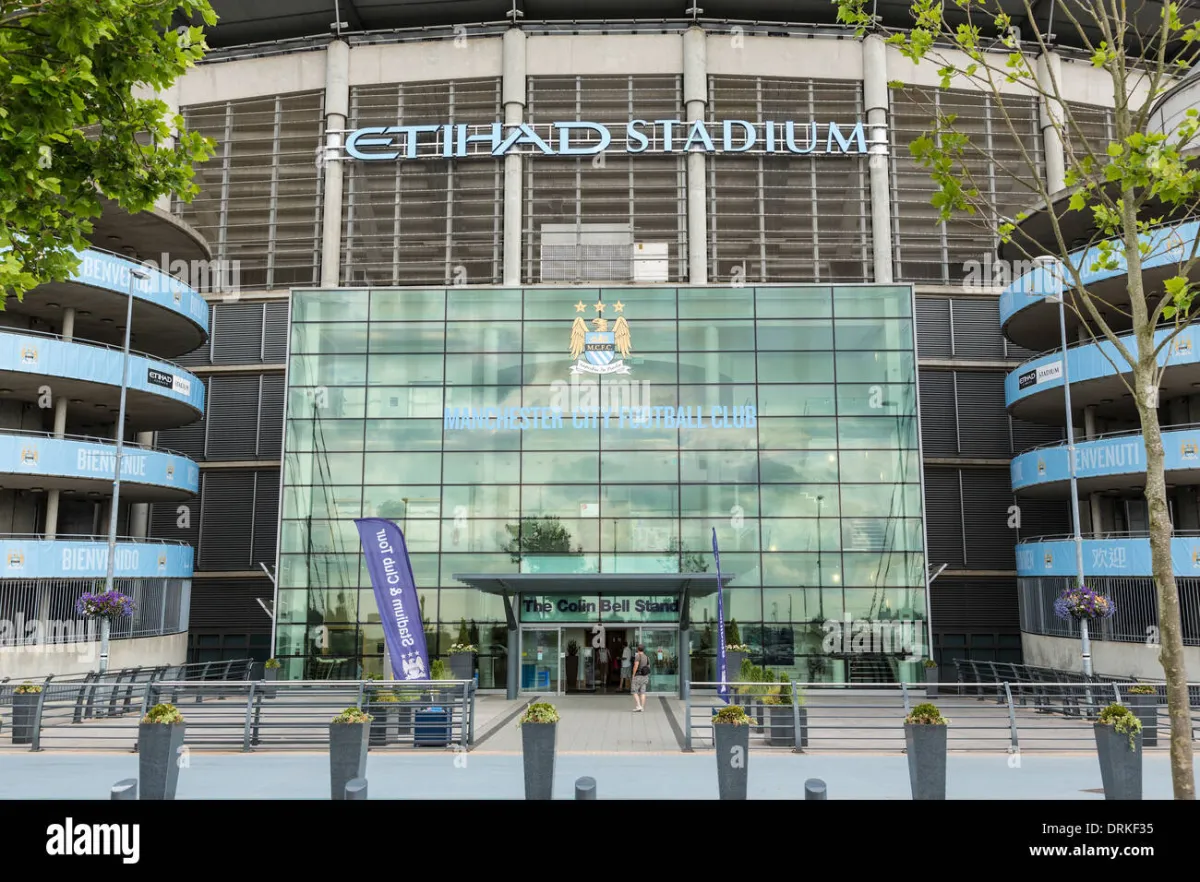 Photo: Manchester City, via c8.alamy.com
Similarly, Paris Saint-Germain's late-window acquisition of Ousmane Dembélé from Barcelona highlighted how continental clubs can react to unexpected departures with surgical precision. When Kylian Mbappé's situation shifted, PSG had the luxury of time to identify and secure a replacement. Premier League clubs facing similar scenarios must either panic-buy before their deadline or wait until January.
 Photo: Paris Saint-Germain, via i.etsystatic.com
The tactical implications extend beyond individual transfers. European clubs can assess early-season performances, identify weaknesses, and address them immediately. Premier League managers, by contrast, must predict their needs months in advance, often based on pre-season friendlies and training ground observations.
Managerial Frustration
The disconnect has not gone unnoticed in Premier League dugouts. Several high-profile managers have privately expressed frustration at the calendar constraints, though few speak publicly given the sensitivity of criticising league regulations.
One prominent head coach, speaking anonymously, described the current system as "planning for war with incomplete intelligence." The sentiment reflects a broader unease within the coaching community, where summer transfer strategies must be finalised before competitive football has truly begun.
The psychological pressure intensifies as the deadline approaches. Clubs rush decisions, overpay for targets, and settle for second-choice options rather than risk entering the season short-handed. This urgency benefits selling clubs, who can demand premium prices knowing buyers have limited alternatives.
Financial Implications
The economic impact of the misaligned windows extends beyond inflated transfer fees. Premier League clubs report increased agent activity in the final week before their deadline, with representatives leveraging time pressure to secure enhanced commission structures.
Moreover, the inability to react to early-season developments has cost clubs millions in missed opportunities. When injuries occur or tactical systems prove unsuccessful, Premier League sides must persevere until January whilst continental rivals adapt immediately.
The disparity also affects player power dynamics. Stars seeking moves can simply wait until after the Premier League deadline, knowing their reduced options might force current clubs into more favourable contract negotiations or loan arrangements.
Reform Proposals
Several reform proposals have emerged from club boardrooms and league officials. The most radical involves synchronising with UEFA's proposed universal deadline, potentially extending the Premier League window until early September. This would align English football with continental practice whilst maintaining some deadline structure.
Alternatively, some advocate for a two-stage system: an initial deadline before the season begins for major signings, followed by a restricted window for loans and youth acquisitions. This compromise would preserve squad stability whilst allowing tactical adjustments.
A third option involves maintaining the current deadline but introducing emergency provisions for clubs suffering significant injuries or unexpected departures. Such flexibility exists in other sports and could address the most glaring disadvantages without wholesale calendar revision.
Competitive Balance Concerns
Critics argue that extending the window would exacerbate competitive imbalances, allowing wealthy clubs to poach talents from smaller sides after observing early-season performances. The current deadline, they contend, forces all clubs to commit resources simultaneously, preventing predatory late-window raids.
However, this protection appears increasingly theoretical. Wealthy clubs already stockpile talents through loan networks and pre-agreements, whilst smaller sides face the same deadline pressures as their larger rivals. The current system may actually disadvantage mid-tier clubs most, as they lack the resources for extensive advance planning.
International Precedent
The Premier League's deadline isolation becomes starker when viewed globally. Major South American leagues maintain September deadlines, whilst Asian competitions often extend into October. England's self-imposed restriction appears increasingly arbitrary in a globalised transfer market.
Even the original justification for the early deadline — preventing disruption to fantasy football and betting markets — seems outdated given the industry's adaptation to continental windows. The tail appears to be wagging the dog.
The Path Forward
The debate reflects broader tensions within English football's governance structure. The Premier League's desire for distinctive policies often conflicts with practical competitive needs, creating artificial disadvantages in pursuit of theoretical benefits.
Change appears inevitable, whether through gradual reform or external pressure from clubs threatening legal challenges. The question is not whether the deadline will shift, but how dramatically the Premier League calendar will be rewired to restore competitive parity.
The current system's days are numbered — the only uncertainty is whether English football will adapt proactively or be forced into reactive change by mounting competitive disadvantage.