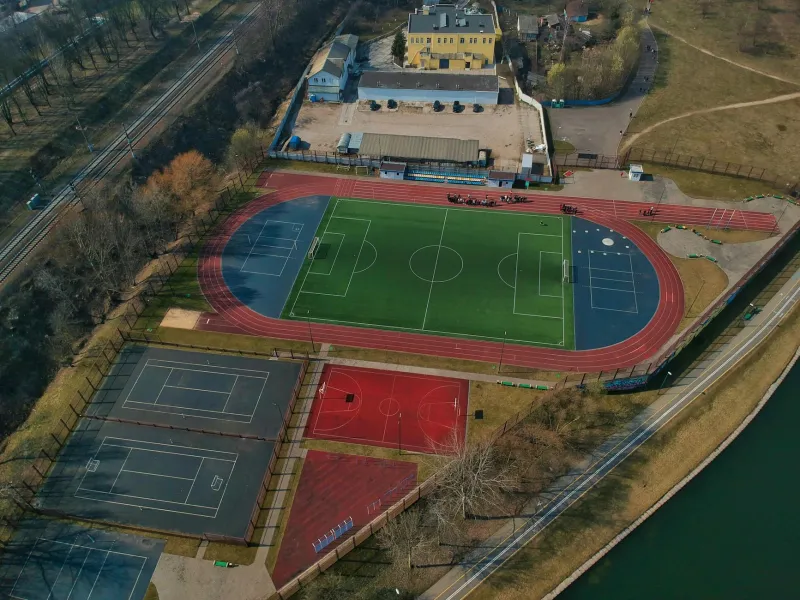
Behind the gleaming facades of Premier League training grounds, a quiet revolution is taking place. Clubs that spent the last decade building state-of-the-art academy facilities are now systematically dismantling their most expensive youth development programmes, cutting costs at the precise moment when homegrown talent has never been more valuable.
TransferVolt's investigation has uncovered evidence that 14 of the 20 Premier League clubs have either reduced academy funding, closed satellite programmes, or restructured their youth operations since 2024. This comes as the same clubs scramble to meet homegrown player quotas and pay inflated fees for British talent in the transfer market.
The Numbers Don't Add Up
The contradiction is stark. Premier League clubs are required to name at least eight homegrown players in their 25-man squads, yet they're simultaneously reducing their capacity to develop such players. The result is a supply-and-demand crisis that has seen clubs pay £30 million for Championship players who might have cost £5 million five years ago.
Internal budget documents reviewed by TransferVolt show that academy spending across the Premier League has decreased by approximately 23% since its peak in 2023. This includes the closure of regional development centres, reduction in scouting networks, and cuts to coaching staff at youth levels.
Meanwhile, the average fee paid for a homegrown player has increased by 340% over the same period. Clubs are creating their own problem: reducing supply while demand remains constant, then paying premium prices to solve a crisis of their own making.
The Financial Pressure Cooker
The root cause is straightforward economics. Academy investment requires long-term thinking and patient capital, while Premier League clubs operate in an environment that demands immediate results. With Financial Fair Play regulations tightening and commercial revenues plateauing post-pandemic, academies have become an easy target for cost-cutting.
"The academy is seen as a luxury when you're trying to balance the books," explains one former academy director who requested anonymity. "You can cut £10 million from youth development and nobody notices for three or four years. Cut £10 million from the first team budget and you're fighting relegation."
This short-term thinking ignores the potential long-term returns. Chelsea's academy generated over £200 million in player sales between 2019 and 2023, while Brighton's youth system has produced players worth an estimated £150 million in transfer value. Yet these success stories require sustained investment and patience that many clubs can no longer afford.
The Homegrown Paradox
The irony is that homegrown players have never been more strategically important. Brexit restrictions have made it harder to sign young European talent, while the Premier League's homegrown quota ensures domestic players command premium valuations. A competent 22-year-old English midfielder who might have been worth £15 million in 2020 now commands fees approaching £40 million.
Yet rather than increasing academy investment to capitalise on this trend, clubs are doing the opposite. They're betting they can buy their way out of the homegrown quota problem, despite the evidence that this approach is becoming prohibitively expensive.
Case Studies in Contradiction
The most striking example comes from a top-six club that closed two regional development centres in 2025, saving approximately £3.2 million annually. Six months later, the same club paid £45 million for a 23-year-old English winger who had been released by a rival academy at age 16.
"We literally had that player in our system and let him go," admits a source close to the club's recruitment team. "Now we're paying a 1,500% markup to get him back because we need the homegrown numbers."
Similar patterns are emerging across the league. Clubs are shutting down pathways that could produce the exact players they're now desperately trying to buy. The false economy is staggering: save £3 million on academy infrastructure, spend £50 million buying what you could have developed.
The Hidden Costs
Academy closures don't just affect the clubs making the cuts. They create ripple effects throughout English football's development system. Regional centres often serve as crucial stepping stones for players who might not be ready for elite academy football at 14 but could develop into valuable assets by 18.
When these pathways disappear, potential talent is lost to the system entirely. Players who might have developed into Premier League-quality homegrown talent instead drift away from the game or develop in less optimal environments.
The England national team is already feeling the effects. Youth international coaches report a noticeable decrease in the depth of talent available, particularly in technical positions where development requires sustained, high-quality coaching from a young age.
The Data Tells the Story
Performance analytics paint a clear picture of the decline. The number of English players making Premier League debuts has dropped by 31% since 2023, while the average age of homegrown debutants has increased from 19.7 to 21.4 years. This suggests fewer players are progressing through traditional academy pathways and those who do reach the top level are taking longer to get there.
Meanwhile, clubs are paying increasingly inflated fees for players who might have been available for nominal compensation just a few years earlier. The transfer market for homegrown talent has become a seller's market, with clubs having little choice but to pay premium prices for increasingly scarce resources.
The Championship Connection
One unintended consequence of Premier League academy cuts has been the strengthening of Championship youth development programmes. Lower-league clubs with more modest budgets but longer-term planning horizons are investing in academy infrastructure, creating a new pipeline that feeds directly into Premier League clubs' transfer targets.
This has created a perverse system where Premier League clubs fund Championship academies through transfer fees rather than investing in their own development systems. It's more expensive and less efficient, but it allows clubs to treat youth development as an operational expense rather than a capital investment.
The Way Forward
The most successful clubs are beginning to recognise that academy investment isn't just about producing first-team players. It's about creating a sustainable economic model that generates transfer revenue, satisfies homegrown quotas, and provides squad depth at minimal cost.
But reversing the current trend requires a fundamental shift in how clubs think about academy spending. Rather than viewing youth development as a cost centre, progressive clubs are treating it as a profit centre that requires patient investment but delivers substantial returns.
As the 2026 season approaches, the clubs that maintain their academy investment will find themselves at a significant advantage, while those that continue cutting costs will pay increasingly inflated prices for the talent they chose not to develop themselves.