Fault Line: Why the Premier League's Obsession With Signing Centre-Backs Is Creating a Defensive Bubble Ready to Burst
The numbers tell a stark story. Premier League clubs have collectively splashed over £800 million on centre-backs during the 2026 summer transfer window, with the average fee for a top-tier central defender now exceeding £70 million. What began as a tactical evolution has morphed into a dangerous obsession that threatens to destabilise the entire transfer ecosystem.
From Arsenal's £85 million pursuit of Sporting CP's Gonçalo Inácio to Manchester United's reported £90 million bid for Benfica's António Silva, the inflation in defensive valuations has reached fever pitch. Even more concerning is the hoarding mentality gripping England's elite clubs, with several sides maintaining squads of five or six elite centre-backs despite only fielding two in their preferred formations.
 Photo: Sporting CP, via www.designfootball.com
The Arms Race Mentality
This defensive stockpiling stems from a perfect storm of tactical paranoia and financial excess. The success of teams like Arsenal and Newcastle, who built their recent resurgences on defensive solidity, has convinced boardrooms that centre-back depth is the ultimate insurance policy. Manchester City's quadruple pursuit in 2025, built on a foundation of Rúben Dias, John Stones, Joško Gvardiol, and Nathan Aké rotating seamlessly, has become the template every club desperately wants to replicate.
 Photo: Manchester City, via wallpapers.com
The result is a market where even second-tier defenders are commanding astronomical fees. Brighton's Evan Ferguson, primarily a striker, was quoted £60 million by clubs interested in converting him to centre-back based solely on his aerial ability and pace. Leicester City rejected a £45 million bid from West Ham for Wout Faes, a player who cost them £15 million just two seasons ago.
"The market has completely lost its mind," admits one Premier League recruitment chief, speaking anonymously. "We're paying Champions League centre-back money for players who might struggle to get in the starting XI of a mid-table side five years ago."
The Knock-On Effect
This defensive gold rush has created a cascading crisis throughout English football's development pathway. Academy graduates who would traditionally expect first-team opportunities by age 21 are finding themselves blocked by expensive imports. Chelsea's academy, once a production line for defensive talent, has seen promising prospects like Levi Colwill and Trevoh Chalobah struggle for consistent minutes despite their obvious quality.
The Championship has become a graveyard for promising defenders priced out of Premier League moves. Clubs in England's second tier cannot compete with the inflated wages now standard for centre-backs, creating a talent bottleneck that threatens the long-term health of English football's defensive pipeline.
Even more troubling is the positional rigidity this bubble has created. Versatile players who could operate across multiple positions are being pigeonholed as pure centre-backs, limiting tactical flexibility and reducing their market value if the bubble bursts.
Historical Parallels
The current defensive inflation bears uncomfortable similarities to the striker market of 2019-2021, when clubs convinced themselves that any forward capable of scoring 15 goals per season was worth £60 million or more. Arsenal's £72 million gamble on Nicolas Pépé, Manchester United's £85 million Antony investment, and Chelsea's £100 million Romelu Lukaku experiment all ended in spectacular failure when the market corrected.
The striker bubble burst when clubs realised they had fundamentally misjudged the transferability of goal-scoring records across different leagues and tactical systems. The same warning signs are flashing red in the centre-back market, with clubs paying premium prices for defenders whose statistics have been inflated by playing in possession-heavy systems or weaker domestic leagues.
The Clubs Most at Risk
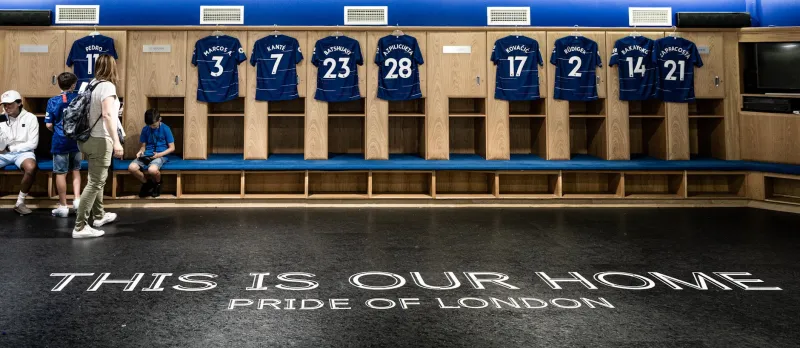
Chelsea's summer spending spree represents the most dangerous example of defensive overindulgence. Their reported £180 million investment in three centre-backs – despite already possessing Thiago Silva, Wesley Fofana, and Benoît Badiashile – suggests a club operating without clear strategic vision. If even two of these signings fail to adapt to Premier League football, the financial implications could be catastrophic.
Newcastle United's defensive recruitment, while more measured, has still left them vulnerable. Their £65 million investment in Sven Botman and £40 million for Dan Burn looks increasingly excessive given both players' injury concerns and the emergence of cheaper alternatives in the market.
Tottenham's late-window pursuit of multiple centre-backs, including a reported £75 million bid for Crystal Palace's Marc Guéhi, suggests a club panicking rather than planning. Their willingness to pay such fees for a player with limited Champions League experience epitomises the market's current irrationality.
The Correction Coming
Market corrections in football are inevitable, and the centre-back bubble shows multiple signs of imminent collapse. The sheer volume of elite defenders now competing for starting positions will inevitably lead to high-profile failures, damaging confidence in defensive investments.
Clubs are also beginning to recognise that tactical flexibility matters more than individual quality in modern football. The most successful teams of recent years – from Pep Guardiola's Manchester City to Mikel Arteta's Arsenal – have built their defensive strength through system and coaching rather than simply accumulating expensive centre-backs.
The financial pressures of Financial Fair Play regulations will also force clubs to reconsider their defensive spending. With UEFA's new sustainability rules taking effect, the days of unlimited investment in any single position are numbered.
Verdict
The Premier League's centre-back bubble represents a classic case of market irrationality driven by tactical groupthink and financial excess. When the inevitable correction arrives, the clubs that have invested most heavily in defensive stockpiling will face the harshest reckoning – and it's Chelsea, Newcastle, and Tottenham who appear most exposed when the fault line finally cracks.