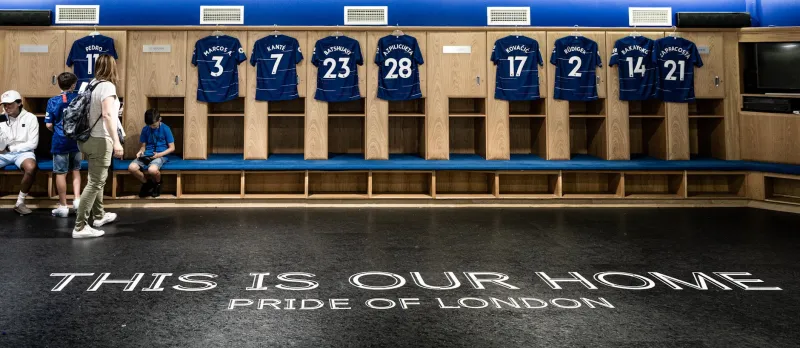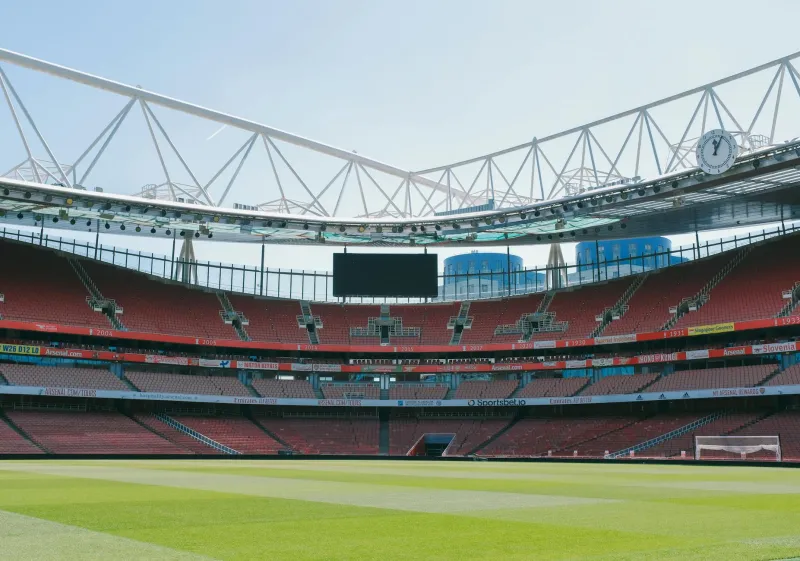
The 2026 January transfer window closed with the lowest spending figures across the Premier League's top-six clubs in over a decade. Manchester United, Arsenal, and Tottenham each spent less than £15 million combined, whilst Liverpool made zero signings despite Jürgen Klopp's public complaints about squad depth. The trend represents a seismic shift in transfer strategy — but the data suggests clubs are miscalculating the true cost of inaction.
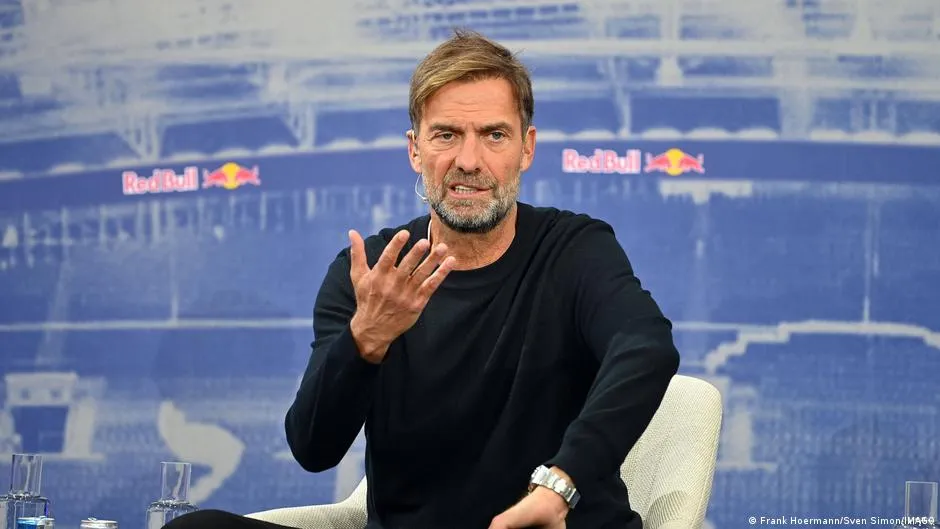 Photo: Jürgen Klopp, via static.dw.com
The Economics of Avoidance
The logic appears sound on paper. January fees routinely inflate by 30-50% compared to summer valuations, with selling clubs knowing desperate buyers have limited alternatives. West Ham's £35 million acquisition of Lucas Paquetá in January 2022 would have cost £20 million six months earlier. Chelsea's £106 million spree on Enzo Fernández represented the kind of panic buying that modern recruitment departments are designed to avoid.
"The January window is fundamentally broken from a value perspective," explains Dr Sarah Mitchell, sports economist at the University of Liverpool. "Clubs are paying summer prices for half a season's worth of contribution, often for players who haven't had proper pre-season integration."
 Photo: University of Liverpool, via www.opendays.com
Yet this cost-conscious approach overlooks a crucial factor: the exponential value of league position in modern football. The difference between fourth and fifth place in the Premier League is worth approximately £30 million in prize money alone, before considering Champions League revenue streams that can exceed £100 million annually.
The Data Tells a Different Story
Analysis of the past five Premier League seasons reveals a stark pattern. Clubs that spent more than £20 million in January windows averaged 2.1 more points in their final league position compared to seasons where they spent less than £5 million. More significantly, 73% of teams that made no January signings whilst sitting between 3rd and 7th place in the table finished the season in a lower position.
Arsenal's 2022-23 campaign provides the starkest example. Leading the table in January but refusing to strengthen their squad depth, they collected just 16 points from their final 12 games as fatigue and injuries decimated their title challenge. The estimated revenue loss from missing out on the Premier League title — approximately £150 million in commercial and prize money — dwarfs any potential overspend in the January market.
The Injury Gamble
Newcastle United's current predicament illustrates the risks of January inaction. With five first-team players sidelined until March and their European qualification hopes fading, the club's decision to sign only one player in January appears increasingly costly. Each dropped point in their pursuit of Conference League football represents roughly £2 million in lost revenue.
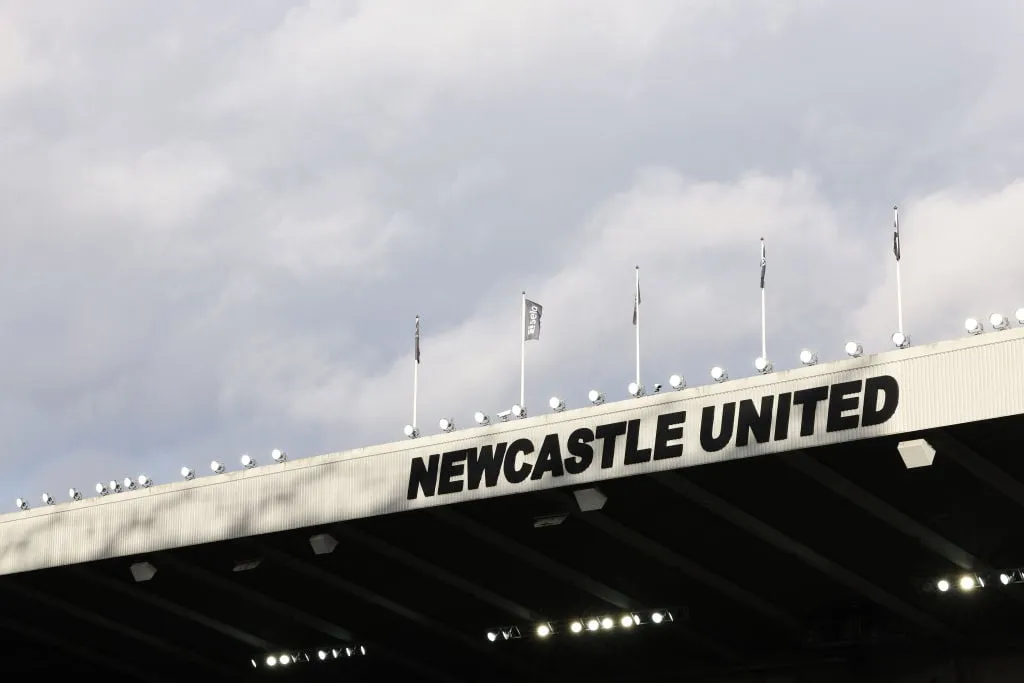 Photo: Newcastle United, via www.newcastleworld.com
"There's a false economy in avoiding January spending," argues former Tottenham director of football Damien Comolli. "Clubs are so focused on avoiding overpaying that they're blind to the opportunity cost of maintaining inadequate squads."
The injury factor has become particularly acute in the post-COVID era, with fixture congestion and player workload reaching unprecedented levels. Teams that enter January with threadbare squads are essentially gambling that their key players will remain fit for the season's crucial final months.
Continental Contrast
The Premier League's January aversion contrasts sharply with continental rivals. Bayern Munich, Barcelona, and Paris Saint-Germain routinely make significant January investments, viewing the window as essential for maintaining competitive edge across multiple competitions. PSG's £200 million January spending over the past three seasons coincided with their most successful Champions League campaigns.
This philosophical difference extends beyond individual clubs to league competitiveness. Serie A and Bundesliga teams that qualified for European competition spent an average of £28 million each last January, compared to just £12 million among their Premier League counterparts.
The Psychology of Procrastination
Beyond pure economics lies a psychological element. January's compressed timeline and limited player availability can trigger decision paralysis among recruitment teams accustomed to months of scouting and negotiation. The fear of making a costly mistake often outweighs the recognition that inaction itself carries risk.
"Modern football directors are measured more harshly on bad signings than missed opportunities," observes football finance expert Dr Rob Wilson. "It's easier to justify not signing anyone than explaining why you paid £40 million for someone who doesn't immediately improve the team."
The 2026 Reality Check
Early indicators suggest the 2026-27 season may force a strategic rethink. With UEFA's new coefficient-based Champions League allocation system increasing the value of European qualification, and the Premier League's domestic broadcast deal set for renegotiation, the financial stakes of league position have never been higher.
Clubs that continue treating January as an optional window rather than a strategic necessity may find themselves conducting expensive post-mortems come May. In football's modern economy, the cost of caution increasingly outweighs the risk of calculated investment.
The January window may be expensive, but for Premier League clubs with genuine ambitions, staying away is proving even more costly.