
The Bosman Battery: How 30 Years On, Football's Most Disruptive Legal Ruling Is Still Sending Shockwaves Through the 2026 Transfer Market
Thirty-one years after Jean-Marc Bosman's legal victory fundamentally rewired football's transfer architecture, the Belgian midfielder's legacy continues to send seismic shocks through the 2026 summer window. What began as a fight for basic worker mobility has evolved into the sport's most persistent destabilising force, with agents and players now weaponising free agency with unprecedented sophistication.
 Photo: Jean-Marc Bosman, via i2-prod.dailystar.co.uk
The numbers tell a stark story. According to TransferVolt's analysis of current Premier League squads, 47 first-team players across the division will enter the final year of their contracts this summer, representing approximately £890 million in combined market value potentially walking away for nothing. That figure has doubled since the 2022 window, as players increasingly recognise the financial advantages of allowing their deals to expire.
The Free Agent Gold Rush
The most telling development in 2026 is how players are deliberately engineering their own Bosman scenarios. Where once running down a contract was seen as career suicide, it has transformed into the most lucrative path to a new deal. Manchester United's Marcus Rashford, whose contract expires in June 2027, has reportedly rejected three renewal offers worth up to £300,000 per week, with sources close to the player suggesting he is "exploring his options" as a free agent.
The mathematics are compelling. A player moving on a free transfer can command a signing bonus equivalent to 50-70% of what their transfer fee would have been, while also negotiating higher wages due to the absence of a transfer fee. Rashford, valued at £80 million by Transfermarkt, could theoretically pocket a £40-50 million signing bonus by moving as a free agent, alongside wages that would have been impossible had United demanded a transfer fee.
"The Bosman ruling has created a monster that football still hasn't learned to control," explains Dr. Sarah Mitchell, a sports law specialist at King's College London. "What was intended to give players basic employment rights has become the most powerful weapon in their arsenal."
The Agent Revolution
Perhaps nowhere is Bosman's evolution more apparent than in the growing sophistication of player representation. Super-agents like Jorge Mendes and Mino Raiola pioneered the art of the pre-Bosman manoeuvre, but a new generation has taken it to industrial levels.
Take the case of Erling Haaland's 2024 move to Real Madrid. Despite Manchester City's £150 million valuation, Haaland's representatives engineered a scenario where his release clause could only be triggered in the final year of his contract, essentially creating a controlled Bosman situation. The Norwegian striker reportedly received a £60 million signing bonus from Real Madrid, money that would never have been available had City been able to demand their asking price.
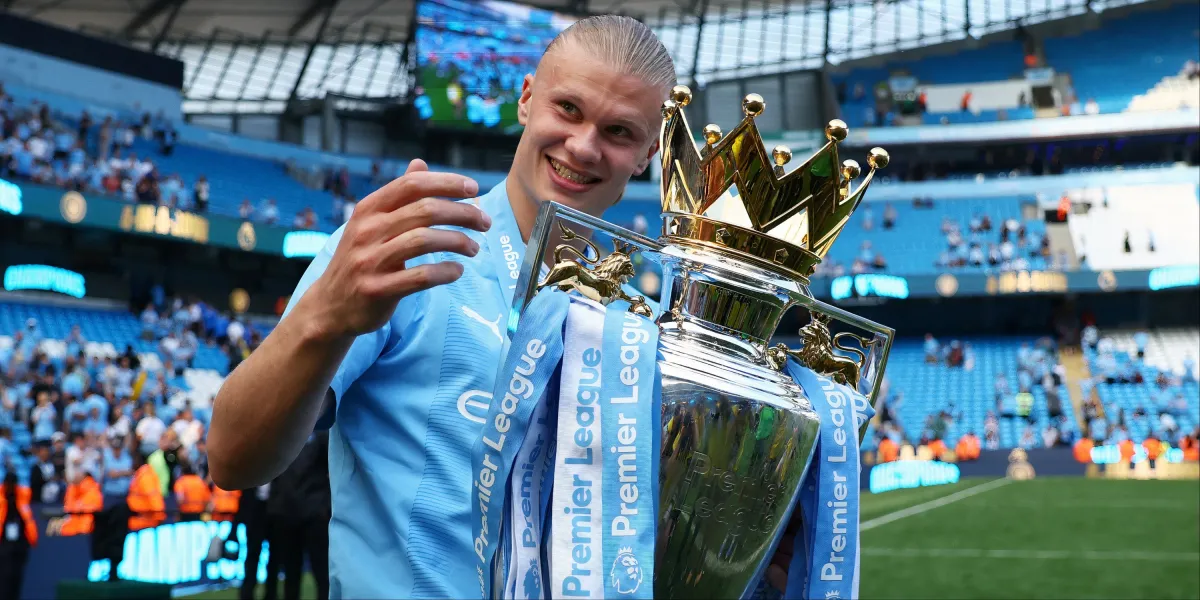 Photo: Erling Haaland, via static0.footballfancastimages.com
This tactical use of contract timing has become standard practice. Agents now routinely insert clauses that reduce release fees in final contract years, or negotiate deals that become more favourable to the player as expiry approaches. The result is a transfer market where timing has become as important as talent.
Premier League's Exposure
Analysis of current Premier League squads reveals alarming levels of Bosman exposure across the division. Chelsea lead the vulnerability table with eight first-team players entering final contract years, representing £180 million in potential losses. The Blues' failure to secure long-term deals for Reece James and Mason Mount before their contracts entered final phases could cost them upwards of £120 million in combined transfer fees.
Liverpool face a similar crisis with Mohamed Salah and Virgil van Dijk both in final contract years. The Egyptian forward's representatives have made it clear that any renewal must reflect his status as one of the world's elite players, with reports suggesting demands for a four-year deal worth £400,000 per week. The alternative—losing a £100 million asset for nothing—represents exactly the kind of scenario Bosman's ruling enables.
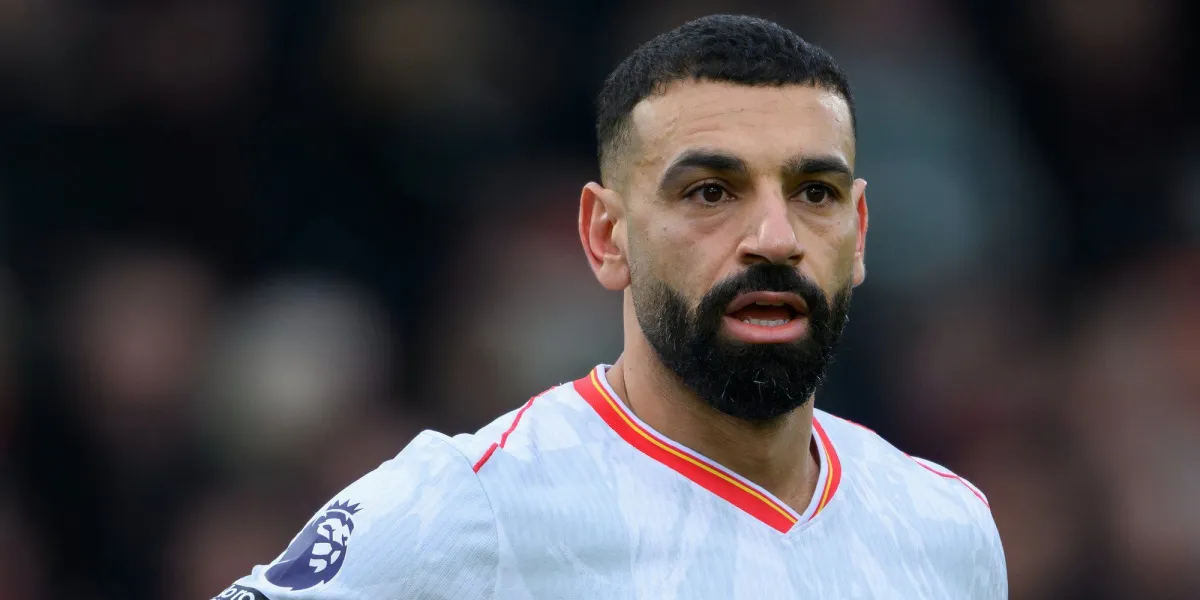 Photo: Mohamed Salah, via static0.givemesportimages.com
The Contract Renewal Arms Race
The response from Premier League clubs has been to engage in an increasingly desperate arms race of contract renewals. Manchester City's decision to hand Bernardo Silva a six-year extension worth £250,000 per week, despite the Portuguese midfielder having three years remaining on his previous deal, exemplifies this trend.
"Clubs are terrified of entering that final-year scenario," explains football finance expert Dr. Rob Wilson. "They're offering renewals earlier and at higher wages than ever before, which actually plays into the hands of player power. The Bosman ruling has created a situation where players hold all the leverage."
This phenomenon has led to contract inflation across the Premier League. The average length of first-team contracts has increased from 3.2 years in 2020 to 4.7 years in 2026, while wage increases upon renewal have averaged 35% across the division.
The Regulatory Response
Football's governing bodies have repeatedly attempted to address Bosman's destabilising effects, with limited success. FIFA's introduction of training compensation for players under 23 was an early attempt to protect smaller clubs, while UEFA's Financial Fair Play regulations sought to limit the wage inflation that free agency enables.
The most significant development came in 2025 with the introduction of the "Stability Tax"—a levy imposed on clubs that sign more than two free agents over 28 in a single window. Early data suggests this has had minimal impact, with wealthy clubs simply absorbing the additional cost.
"The problem is that any regulatory response runs into the same legal framework that created Bosman in the first place," notes Mitchell. "European employment law makes it very difficult to restrict worker mobility, even in professional sport."
The Knock-On Effects
The Bosman effect extends far beyond individual transfers, reshaping entire market dynamics. The knowledge that star players can leave for nothing has inflated the value of those still under contract, creating a two-tier transfer market. Players with multiple years remaining command premium fees, while those approaching final years see their values collapse.
This has particularly impacted mid-tier Premier League clubs, who find themselves unable to extract maximum value from their best players. Brighton's loss of Yves Bissouma on a free transfer in 2024, despite the Malian midfielder being valued at £40 million just two years earlier, exemplifies how Bosman continues to redistribute wealth from selling clubs to buying clubs and players.
The Future Landscape
As the 2026 summer window approaches, the Bosman effect shows no signs of diminishing. If anything, the trend towards strategic contract management is accelerating. Agents are increasingly advising clients to reject early renewal offers, gambling on improved terms as contracts enter final phases.
The result is a transfer market where traditional valuations mean less than ever, where timing trumps talent in determining fees, and where the threat of losing players for nothing hangs over every negotiation.
Thirty-one years after a Belgian midfielder sought basic employment rights, his legal victory continues to reshape football's landscape with every transfer window—a persistent current that shows no signs of earthing itself.